In the realm of horticulture and plant growth, understanding light is crucial. Many growers often ponder, "What is the difference between PAR and PPFD?" These two key measurements relate to how plants utilize light. Photosynthetically Active Radiation (PAR) represents the wavelengths of light that plants can absorb for photosynthesis, typically ranging from 400 to 700 nm. Conversely, Photosynthetic Photon Flux Density (PPFD) quantifies the amount of PAR that reaches a specific area, indicating how well a light source can promote plant growth.
Recent industry reports show that effective lighting can increase crop yields by 25% or more. Yet, a misunderstanding of PAR and PPFD can lead to inefficient lighting setups. Research suggests that many growers overlook the importance of measuring PPFD, focusing solely on types of bulbs instead. This gap in knowledge can hinder optimal plant growth. By unraveling the nuances between PAR and PPFD, cultivators can achieve better results and maximize efficiency. Understanding these differences is essential for any grower aiming for success in a competitive market.
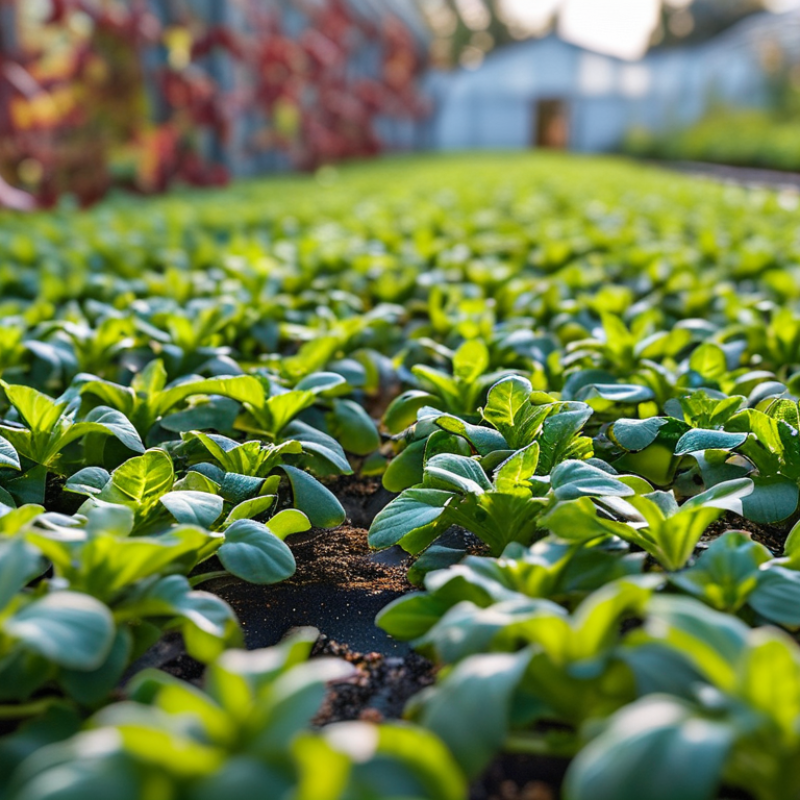
Photosynthetically Active Radiation (PAR) refers to the range of light wavelengths that plants can use for photosynthesis. This range spans from 400 to 700 nanometers. The importance of PAR in plant growth cannot be overstated. Research indicates that approximately 90% of plant biomass production is derived from this spectrum. Understanding PAR helps growers optimize their lighting systems.
Plants respond differently to various light intensities. In controlled studies, light levels above 400 micromoles/m²/s of PAR can lead to increased growth rates. However, excessive PAR can cause photoinhibition, where plants absorb too much light. This phenomenon highlights the need for careful balance in lighting strategies.
The relationship between PAR and Photosynthetic Photon Flux Density (PPFD) can be intricate. While PAR encompasses the ideal light range, PPFD measures light intensity at specific points. Growers often confuse the two. Accurate measurements can aid in maximizing plant productivity. A 2021 report noted that underestimating light intensity could reduce crop yields by 20-30%. It emphasizes the need for precise monitoring and adjustments in cultivating environments.
Photosynthetic Photon Flux Density, or PPFD, is a critical concept in understanding plant growth and photosynthesis. It measures the amount of PAR, or Photosynthetically Active Radiation, that reaches the surface of a plant in a specific area. In simpler terms, PPFD quantifies the light available for plants to synthesize food. This makes it essential for growers aiming for optimal plant health.
Understanding PPFD helps in creating the right lighting conditions. Different plants have unique light requirements. For instance, seedlings need lower PPFD levels compared to mature plants. By accurately measuring PPFD, you can avoid issues like light burn or inadequate growth. Ensuring the right balance promotes robust plant development and maximum yield.
While PPFD is crucial, it is important to recognize its limitations. Not all light conditions translate directly to better growth. Factors like spectrum, duration, and plant type influence the overall effectiveness. Evaluating these factors alongside PPFD can lead to more sustainable practices. It encourages growers to reflect on their lighting approach and adapt to their specific horticultural needs.
This chart compares the Photosynthetically Active Radiation (PAR) and the Photosynthetic Photon Flux Density (PPFD) in terms of their light intensity measured in micromoles per square meter per second (μmol/m²/s). PAR refers to the range of light wavelengths that plants use for photosynthesis, whereas PPFD quantifies the amount of light available for photosynthesis at a given moment and location.
PAR and PPFD are two critical measurements in the study of plant growth and light application. PAR, or Photosynthetically Active Radiation, refers to the spectrum of light that plants use for photosynthesis. It encompasses wavelengths from 400 to 700 nanometers. This range is vital for healthy plant development.
On the other hand, PPFD stands for Photosynthetic Photon Flux Density. It measures the amount of PAR that reaches a given area during a specific time. PPFD is expressed in micromoles per square meter per second (µmol/m²/s). This measurement is essential for determining the effective light availability for plants in a controlled environment like a greenhouse.
Understanding both metrics is crucial for optimizing plant health. Growers often struggle to measure light effectively. Installing measuring devices can be a challenge. Additionally, the interpretation of data requires experience. Accurate PPFD readings can result in healthier crops. However, the relationship between PAR and PPFD may not always be straightforward. Some growers overlook the importance of measuring both to ensure optimal growth and productivity. Balancing these factors is essential for both novice and experienced cultivators.
| Measurement Type | Definition | Unit | Typical Range | Best Usage |
|---|---|---|---|---|
| PAR | Photosynthetically Active Radiation; light used by plants for photosynthesis | µmol/m²/s | 300-700 nm | Plant growth analysis |
| PPFD | Photosynthetic Photon Flux Density; amount of light photons available for photosynthesis | µmol/m²/s | 400-700 nm | Lighting effectiveness evaluation |
Photosynthetically Active Radiation (PAR) and Photosynthetic Photon Flux Density (PPFD) are critical for plant growth. Understanding their differences helps growers optimize light for various plant stages. Several key factors influence how effectively plants utilize these light measurements.
Light intensity plays a significant role. Higher PPFD levels often lead to increased photosynthesis. However, excessive light can damage plants. Proper distance between light sources and plants must be maintained. This balance is crucial for healthy growth. Environmental conditions, like humidity and temperature, also impact PAR's effectiveness. These elements can change how plants absorb light.
Another important factor is the spectral quality of light. Plants respond differently to various wavelengths. Blue light promotes vegetative growth, while red light supports flowering. Successful growers often adjust light conditions based on plant needs. These adjustments can be complex and require experience. Misjudgments can lead to suboptimal growth rates or stress on plants. This process is not always straightforward. Understanding these dynamics is essential for effective plant cultivation.
In understanding horticulture lighting, two terms frequently surface: Photosynthetically Active Radiation (PAR) and Photosynthetic Photon Flux Density (PPFD). The industry recognizes both as essential metrics for plant growth. PAR measures the wavelengths of light that plants can use for photosynthesis, while PPFD quantifies the number of photons hitting a surface per second. These measurements are crucial for effective growth strategies.
For growers, accurately measuring these values helps in optimizing light conditions. Devices called quantum sensors can capture PPFD, providing growers with real-time data on light intensity. This precision allows for better control over lighting systems to ensure plants receive the right amount of energy. However, discrepancies can occur, particularly in environments with fluctuating light sources. Relying solely on one measure may not be sufficient.
Industry standards for these measurements exist but can vary. Consistency in using calibrated instruments is vital. Understanding both PAR and PPFD ensures a more holistic approach to plant care. Yet, many growers might overlook their distinct roles, leading to potential over- or under-lighting. Balancing light requirements is not just a science; it requires constant evaluation and adaptation.
ctive Radiation (PAR)?
Approximately 90% of plant biomass production stems from PAR, making it crucial for healthy growth.
Higher light levels can enhance growth but may also cause photoinhibition or light overload in plants.
PPFD measures the amount of PAR available at a specific point, indicating effective light for plant growth.
Seedlings typically need lower PPFD levels, while mature plants require more intense light for optimal growth.
Not all light quantities enhance growth; factors like light spectrum and plant type also play significant roles.
Underestimating light intensity may lead to a reduction in crop yield by 20-30%, underscoring the need for accuracy.
Installing measuring devices and interpreting the data require experience, which can be a barrier for many.
Growers need to evaluate factors like light spectrum and duration alongside PPFD for sustainable practices.
Yes, the relationship between them is not always straightforward, requiring balanced attention for optimal growth.
The article titled "2026 Best PAR vs PPFD What is the Key Difference?" explores essential concepts in plant lighting, focusing on Photosynthetically Active Radiation (PAR) and Photosynthetic Photon Flux Density (PPFD). It begins by explaining PAR, which represents the spectrum of light that plants use for photosynthesis, highlighting its critical role in plant growth. The article then defines PPFD as the measurement of the amount of PAR that reaches a specific area over a given time, providing a quantitative assessment necessary for optimizing plant health and growth.
A comparative analysis reveals that while both PAR and PPFD are interconnected, they serve different purposes in horticulture. Key factors influencing these measurements include light source quality, distance from plants, and environmental conditions. Finally, the article discusses industry standards for measuring these parameters, emphasizing their importance in effective horticultural practices. Understanding "What is the difference between PAR and PPFD" is essential for anyone looking to enhance plant growth through effective lighting strategies.

Enova Lighting