How to Set Up a Beginner Friendly Grow Tent Kit for Plants?

Time:2026-08-27 Author:Aria
0%

Setting up a grow tent kit can be an exciting journey for beginners. Knowing "how to set up a grow tent kit for beginners" opens the door to successful indoor gardening. According to a recent report by Grand View Research, the global indoor gardening market is expected to reach $24.2 billion by 2026, highlighting a growing interest in home cultivation.

A grow tent offers controlled conditions. It helps manage light, temperature, and humidity effectively. Research indicates that plants grow 25-50% faster in a controlled environment than outdoors. However, new growers often face challenges. Misunderstanding light types, for example, can lead to plant stress.

Selecting the right equipment and ensuring adequate ventilation are crucial. Even minor mistakes can impact plant growth. Beginners should take time to understand their plants' needs. This knowledge enhances their gardening experience and contributes to a thriving ecosystem within the tent.
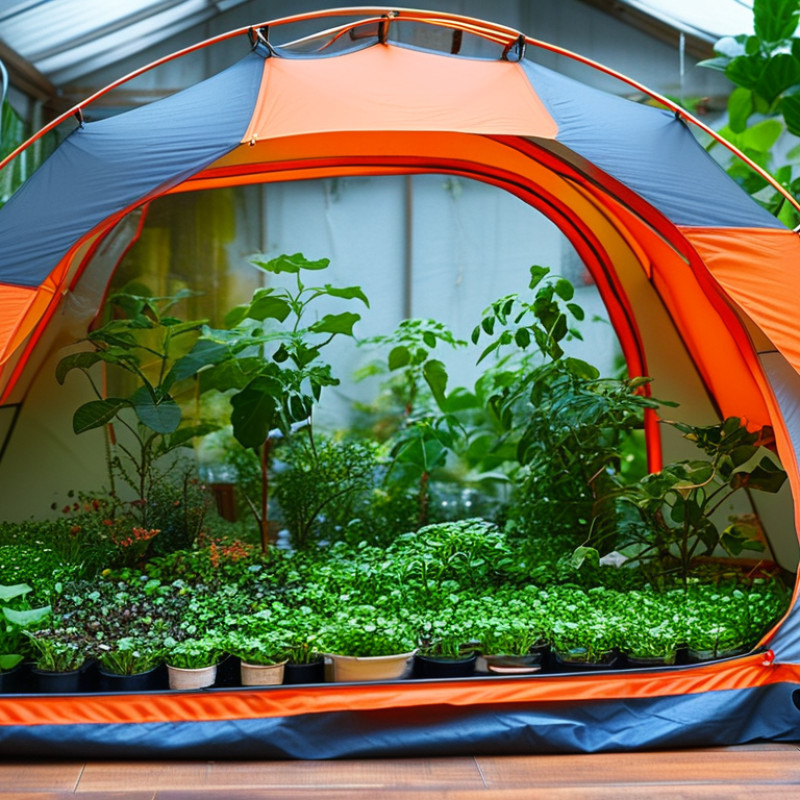
How to Set Up a Beginner Friendly Grow Tent Kit for Plants?

Choosing the Right Location for Your Grow Tent

Choosing the right location for your grow tent is crucial for successful plant growth. Look for a room that has stable temperatures and good air circulation. Avoid areas near windows or doors where temperature can fluctuate. A basement or spare room can be ideal, as these areas typically maintain consistent conditions.

Lighting is another factor to consider when selecting a location. Ensure the space has access to power outlets for grow lights and fans. Keep in mind that plants need light for most of the day. Position the tent away from direct sunlight to prevent overheating, especially during summer months. This may take some trial and error to find the perfect balance.

Creating a comfortable environment is also essential. Monitor humidity levels, as grow tents can trap moisture. A hygrometer can help you track these conditions easily. If humidity is too high, consider using a dehumidifier. Be aware that not every setup is perfect; you may need to adjust your environment over time to optimize growth conditions for your specific plants.

Optimal Light Exposure Duration for Indoor Plants

This chart illustrates the optimal light exposure duration for various types of indoor plants. Adequate lighting is crucial for healthy growth and development in a grow tent environment.

Selecting the Best Grow Tent Size for Your Needs

Selecting the right size for your grow tent is crucial for successful plant growth. Many beginners underestimate how much space they actually need. According to a report by Greenhouse Grower, spacing plants appropriately can increase yield by up to 20%. It’s essential to consider the number of plants and their growth stages when choosing a tent size. A small tent may feel cozy, but overcrowding can lead to stunted growth or diseases.

Many growers find that a 4’ x 4’ tent is suitable for beginners. This size can accommodate about 9 to 16 plants, depending on the species and growth habits. If you plan to grow larger plants, you may want to consider a bigger tent. However, larger tents require more light and ventilation, making them more complex to manage. Be aware that light intensity can significantly affect plant health. Your light source needs to penetrate the canopy effectively, which can be challenging in larger setups.

While it might seem tempting to opt for a small tent, reflection is essential. A tent that is too cramped can hinder airflow and create a humid environment. These conditions can lead to mold and pests. New growers should take time to assess their space and medium before making a decision. Monitoring growth in your current setup can help you understand the space you need. This experiential learning can lead to better choices in future setups.

Essential Equipment for Your Beginner Friendly Grow Tent Kit

Setting up a beginner-friendly grow tent kit requires essential equipment. A grow tent itself is your first major investment. Look for one that is light-proof and has reflective interior surfaces. You’ll need proper ventilation. A decent exhaust fan and ducting help control temperature and humidity. A small clip-on fan is also great for airflow.

Lighting is crucial for plant growth. Consider full-spectrum LED lights. They are energy-efficient and provide the right light spectrum for plants. You should also have light timers to automate the lighting schedule. Share your time and observations. If your plants stretch too much, they may need more light.

Watering tools and soil components complete your setup. A moisture meter helps prevent over- or under-watering. Quality soil or hydroponic setup will give your plants a strong foundation. Regularly check your growing conditions. An imbalanced environment can jeopardize your plants. It’s okay to make mistakes and learn; that’s part of the growing journey.

Setting Up Grow Lights and Ventilation Systems Properly

Setting up grow lights and ventilation systems is crucial for a successful indoor gardening experience. Proper lighting can significantly enhance plant growth. According to a study published by the University of California, adequate light can increase yield by up to 30%. When choosing lights, consider LED options. They are energy-efficient and have a longer lifespan. Position your lights 12 to 24 inches above the plants to avoid light burn while providing adequate brightness.

Ventilation is equally important. Plants require fresh air to thrive. An effective ventilation system also helps control humidity levels. Research indicates that maintaining humidity between 40% and 60% promotes healthier growth. Use an inline fan to keep air circulating. Ensure that your grow tent has intake and exhaust vents. This setup prevents heat buildup, which can stress your plants.

Consider using oscillating fans. They promote even air distribution and strengthen plant stems. Monitor temperature and humidity regularly. An easy way to check these levels is by using a digital hygrometer. Keeping an eye on the environment can prevent issues like mold or pests. Each grow tent setup may have unique needs. Don't hesitate to tweak your system to find the best balance for your plants.

Understanding Plant Care Basics in a Grow Tent Environment

Setting up a grow tent can be an exciting but daunting task for beginners. Understanding the basics of plant care in this controlled environment is crucial. Light is essential for photosynthesis, but not all lights are created equal. Beginners often overlook the type of light, leading to stunted growth. It's important to check light intensity and spectrum. Plants need different wavelengths at various stages. Remember, too much light can harm them, causing leaf burn.

Watering is another area where beginners struggle. Many overwater their plants, thinking more is better. This practice can lead to root rot, a common problem. It's wise to monitor soil moisture and adjust based on your plants' needs. Soil quality matters too. A mix with proper drainage and nutrients is vital for healthy growth.

Temperature and humidity in the tent should also be monitored closely. Plants thrive in specific ranges. High humidity can promote mold, while low humidity can stress them. Beginners often miss these details, resulting in unexpected issues. Regular checks and adjustments are key to a thriving environment. Mistakes will happen, but learning from them will lead to better plant care.

FAQS

: What should I consider when choosing a location for my grow tent?

: Look for a room with stable temperatures and good air circulation. Avoid areas near windows or doors.

How does lighting affect my grow tent's environment?

Adequate lighting is crucial. Ensure power outlets are available for grow lights, and avoid direct sunlight to prevent overheating.

Why is humidity important in a grow tent?

Humidity affects plant growth. Use a hygrometer to monitor levels and a dehumidifier if humidity is too high.

What essential equipment do I need for a beginner-friendly grow tent?

You need a grow tent, ventilation system, lighting, watering tools, and quality soil or hydroponic setup for best results.

How can I prevent over- or under-watering my plants?

Use a moisture meter to check soil moisture levels regularly. Adjust watering as needed based on your observations.

What is the role of ventilation in my grow tent?

Ventilation is crucial for fresh air circulation and humidity control. Use fans and ensure intake and exhaust vents are clear.

Conclusion

Setting up a grow tent kit for beginners involves several key steps that ensure a successful indoor gardening experience. First, it's crucial to choose the right location for your grow tent, taking into account factors such as access to electricity and water, as well as stability of temperature and humidity. Selecting the appropriate size of the grow tent based on the space available and the number of plants you wish to cultivate will help optimize your setup.

Next, equip your grow tent with essential items, including grow lights and ventilation systems, to simulate outdoor conditions effectively. Proper installation of these components is vital for maintaining healthy plant growth. Lastly, understanding the basics of plant care, including watering, feeding, and monitoring environmental conditions, will significantly enhance your ability to cultivate thriving plants. Overall, by following these guidelines on how to set up a grow tent kit for beginners, you can create an ideal environment for your plants to flourish.

Aria

Aria

Aria is a dedicated marketing professional with a deep passion for innovative strategies and a keen understanding of our company's product offerings. With a wealth of experience in the industry, Aria excels at crafting engaging content that highlights the unique features and benefits of our......