Why Do Grow Lights Look Purple or Pink in Your Garden?

Time:2026-09-01 Author:Madeline
0%

In recent years, the use of grow lights in indoor and outdoor gardens has surged. These lights often emit a striking purple or pink hue. This color comes from the specific wavelengths of light produced. Many gardeners wonder, "Why do grow lights look purple or pink?"

According to Dr. Emily Roberts, a horticultural expert and researcher, "The color emitted by grow lights is essential for photosynthesis." Reports indicate that purple and pink lights primarily focus on red and blue wavelengths. These wavelengths are critical for plant growth. A study by the National Institute of Horticultural Research found that plants under purple lights showed a 25% increase in growth compared to those under standard white lights.

Nevertheless, the aesthetic appeal can be confusing. Some gardeners may question the effectiveness of these lights. While the color might seem unusual, it is scientifically designed to promote healthy growth. Understanding "Why do grow lights look purple or pink" can help enthusiasts make informed decisions. Embracing this color spectrum can potentially enhance your garden's success.
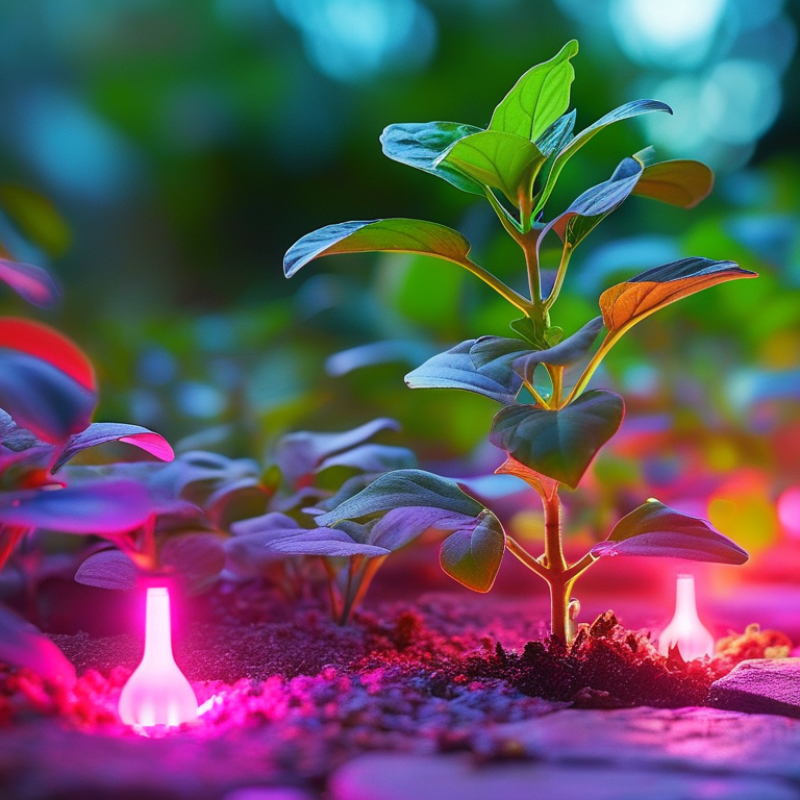
Why Do Grow Lights Look Purple or Pink in Your Garden?

The Science Behind Purple and Pink Grow Lights

Purple and pink grow lights are becoming increasingly popular in indoor gardening. The distinct color comes from the specific wavelengths of light used in photosynthesis. In particular, blue and red wavelengths are essential for optimal plant growth. Plants absorb blue light for vegetative growth and red light for flowering and fruiting. A study published in the journal "Horticulture Research" indicated that plants exposed to a red to blue light ratio of approximately 5:1 exhibit enhanced growth and yield.

Additionally, these colors indicate the use of LED technology. LEDs are energy-efficient and emit less heat than traditional grow lights. According to a report by the U.S. Department of Energy, LED lighting can reduce energy consumption by up to 75% compared to incandescent bulbs. This efficiency allows gardeners to use grow lights longer without significant increases in energy costs, making them accessible for small and large scale growers alike.

However, the reliance on purple and pink lights can lead to a need for careful planning. Overexposure to any one wavelength might limit a plant’s overall growth and lead to deficiencies. Research shows that balanced light spectra, which include green wavelengths, promote better plant health and yield. A diverse lighting strategy that simulates natural sunlight may yield the best results in your garden.

Key Components of Grow Lights and Their Color Emissions

Grow lights often emit a purple or pink hue due to their specific color spectrum. These lights primarily use LED technology, which allows for precise control over light emissions. Red and blue wavelengths are crucial for plant growth. Plants absorb these colors efficiently for photosynthesis. This combination produces the distinct purple or pink appearance that many gardeners notice.

The effectiveness of grow lights hinges on their spectral output. Red light promotes flowering and fruiting, while blue light supports vegetative growth. Different plants have varying light needs, making it essential to choose the right spectrum. Gardeners may find themselves adjusting light distances and settings. This trial and error can lead to better results, but it also highlights the complexities of indoor gardening.

While the color might seem unusual, it's grounded in science. Effective light management can enhance plant health. Misjudging the light requirements can result in poor growth. Observing plant response to light is essential. Not every setup is perfect on the first try. Experimentation is a key part of successful gardening with grow lights.

Impact of Light Spectra on Plant Growth and Development

The colors of grow lights often appear purple or pink. This is due to the combination of blue and red light spectra. Plants primarily utilize these wavelengths for photosynthesis. Blue light supports vegetative growth, while red light encourages flowering and fruiting. Together, they create an effective environment for plant development.

Understanding the impact of light spectra is essential for gardeners. Different stages of plant growth require varied light wavelengths. Young seedlings thrive under more blue light. As plants mature, red light becomes crucial for blooming. Not all plants respond the same, so it's important to observe how your plants react to different light conditions.

Here are a few things to consider when using grow lights. Observe changes in your plants' growth patterns. Are they stretching towards the light? This may indicate insufficient intensity. Consider rotating your plants to ensure even exposure. Regularly check the light color; a shift could mean it's time for a change. Remember, experimentation can lead to valuable insights for your gardening journey.

Impact of Light Spectra on Plant Growth and Development

Advantages and Disadvantages of Using Purple and Pink Grow Lights

Grow lights often emit a purple or pink hue due to their unique spectrum. This light primarily targets the photosynthesis process. Plants thrive under specific wavelengths that are abundant in these grow lights. The blend of red and blue light optimizes growth. It encourages flower and fruit production, which is essential for many gardeners.

However, using purple and pink grow lights has its pitfalls. Some people find the light unappealing, making their garden less inviting. Additionally, these lights may not mimic natural sunlight perfectly. Plants have different needs at various growth stages. A single spectrum might limit the range of growth. Over time, this could lead to weaker plants. It's also essential to avoid overexposure, which can harm plants. Balance is key for optimal results.

Why Do Grow Lights Look Purple or Pink in Your Garden? - Advantages and Disadvantages of Using Purple and Pink Grow Lights

Aspect Advantages Disadvantages
Light Spectrum Promotes photosynthesis May not be suitable for all plant types
Energy Efficiency Lower energy consumption compared to traditional lights Initial cost may be higher
Plant Growth Can accelerate growth rates Potential for light stress if overused
Aesthetics Provides a unique visual effect in the garden May be perceived as unattractive by some
Versatility Suitable for various growing environments Not all models are portable

Common Misconceptions About the Use of Colored Grow Lights in Gardens

When we see colored grow lights, the most common reaction is curiosity. Purple or pink light can seem strange. Many gardeners assume that these colors are merely for aesthetics. However, this is a misconception that overlooks the science behind light spectrum and plant growth. Colored grow lights are designed to emit wavelengths that plants use most efficiently. This is often why these lights appear so vibrant.

Misunderstandings persist about the effectiveness of these lights. Some believe that more light color options lead to better growth. The reality is that plants thrive under specific wavelengths. Red and blue light are crucial for photosynthesis. Yet, many gardeners worry that the unusual color indicates poor performance. This isn’t necessarily true. The visible hue doesn’t determine the quality of the light. It’s the spectrum of light that truly matters.

It’s worth noting that not all plants respond the same way to colored lights. For instance, leafy greens may grow well under red and blue lights, but flowering plants might require different settings. This inconsistency can lead to frustration. Gardeners often experiment, sometimes with mixed results. Taking the time to observe plant responses is crucial. Understanding light use can help enhance garden success.

FAQS

: What types of light do grow lights emit?

: Grow lights often emit purple or pink hues, influencing photosynthesis in plants.

Why are red and blue lights important for plants?

Red and blue lights optimize growth and enhance flower and fruit production.

Do purple and pink grow lights affect the garden's appearance?

Yes, some find the light unappealing, impacting the garden's inviting feel.

Can plants grow well under only one type of light spectrum?

Not really. A single spectrum can limit plant growth and weaken them over time.

Is there a risk of overexposing plants to grow lights?

Yes, overexposure can harm plants, making balance essential for growth.

Are colored grow lights effective for all plant types?

Not all plants respond the same; some may need different light settings for optimal growth.

What is a common misconception about colored grow lights?

Many think colored lights are just for aesthetics, ignoring the science behind plant growth.

How should gardeners approach using grow lights?

Gardeners should observe plant responses and adjust light settings for better results.

Can having more light color options improve plant growth?

No, plants thrive under specific wavelengths rather than a variety of colors.

Why is understanding light spectrum essential for gardeners?

It helps enhance garden success and prevents frustration from inconsistent results.

Conclusion

In the discussion about "Why do grow lights look purple or pink," it is important to understand the science behind the unique color spectra emitted by these lights. Purple and pink grow lights primarily consist of blue and red wavelengths, which are crucial for photosynthesis and promoting plant growth. The key components of these grow lights, such as LEDs, are designed to emit specific color spectra that enhance plant development while minimizing energy waste.

While these colored lights are effective in supporting plant growth, there are both advantages and disadvantages to their use. Advantages include energy efficiency and tailored light conditions, while disadvantages may involve aesthetic concerns and misconceptions about their efficacy in gardens. Understanding these factors is essential for gardeners looking to optimize their indoor or outdoor growing conditions.

Madeline

Madeline

Madeline is a dedicated marketing professional with a wealth of expertise in our company's core offerings. With a keen understanding of the industry, she brings a unique perspective to her role, consistently delivering high-quality content that highlights the superior aspects of our products. As......